

Ep.6 CHAZE
GRAFFITI WRITER
Introduction
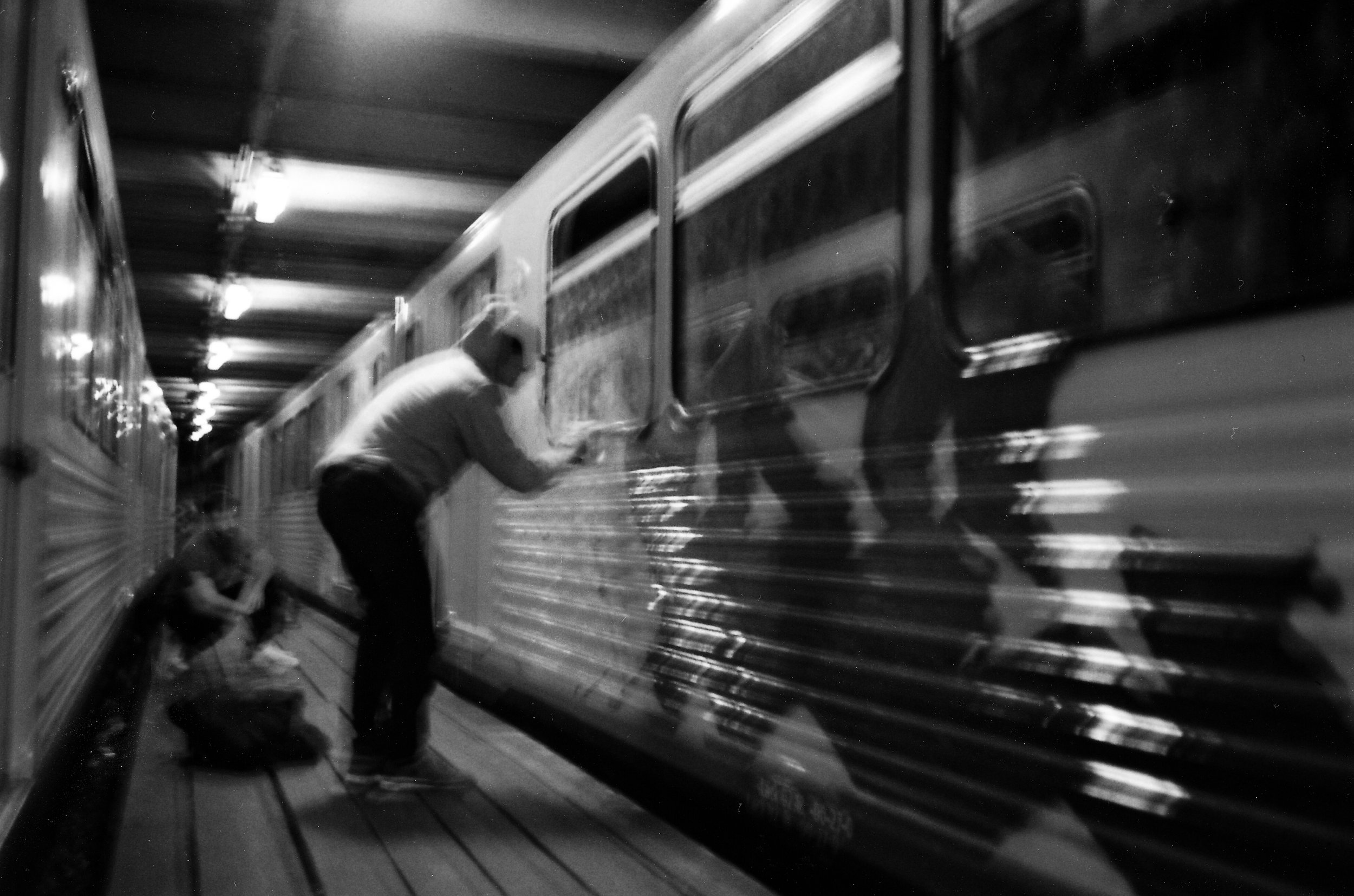
フランスでグラフィティライターとして活動し、Grim Teamの中心メンバーとしてシーンを牽引するOG、CHAZE。
写真家、ミュージックプロデューサー、ビジュアルアーティストとしても活動。80年代末にグラフィティと出会い、30年以上にわたり路上や地下鉄といった公共空間で表現を続けてきた。その後ニューヨークへ渡り、Infamous Mobbをはじめとするアーティストへ楽曲を提供。
路上、音、イメージ。フィールドを横断しながら、制度の外側から社会に問いを投げ続ける表現者。
-An OG graffiti writer active in France and a leading figure in the scene as a core member of Grim Team.
He also works as a photographer, music producer, and visual artist. He discovered graffiti in the late '80s and has been creating art in public spaces like the streets and subways for over 30 years. He later moved to New York and provided music for artists such as Infamous Mobb.
Streets, sound, and images. He is an artist who continues to question society from outside the system, traversing fields.
15Questions
Q 1. 幼少期をどのように過ごしましたか?また、その頃の経験で今でも影響を受けているものはありますか?
-70年代と80年代、パリで母に育てられました。当時住んでいた地区がかなり荒れていたので、セーヌ川の左岸に引っ越したんです。幼少期がグラフィティの「キャリア」に影響を与えたとは思いません。
父が写真家だったことは、写真やビジュアル全般に対する良い目を養ってくれたと思います。
Q 1. How did you spend your early childhood? And are there any experiences from that time that still influence you today?
I was raised by my mother in Paris, in the 70s and 80s, we used to live in a crazy neighbourhood so the we moved to the left bank of the river, i don't think my youth influenced my Graffiti "career",
My father was a photographer, i think that gave me good eyes for photography and visuals in general.
Q 2. フランスとニューヨークで活動した際、表現やスタイルにどのような違いを感じましたか?
-パリとニューヨークはとても似ていると思います。大都市で、問題も多く、大規模な地下鉄システムがあるなど。もちろんニューヨークはアーバンカルチャー全体を生み出した場所なので、かつてはアート、音楽、グラフィティにおいて非常に「豊か」でした。
でも2026年の今、パリもアーバンカルチャーやアートに関してたくさん提供できるものがあると思います。ヨーロッパ全体として、提供できるものがたくさんあります。
Q 2. What differences did you feel in your expression or style when working in France compared to New York?
I think Paris and New York are very similar, big cities, lots of problems, big subway systems etc...of course NYC invented the whole urban culture so it used to be very "rich" for art, music, graffiti,
but now in 2026 i think Paris also has a lot to offer as far as urban culture, art etc...Europe in general has a lot to offer.
Q 3. GTのメンバーとはどのように出会いましたか?彼らと出会って変わったこと、変わらなかったことは何ですか?
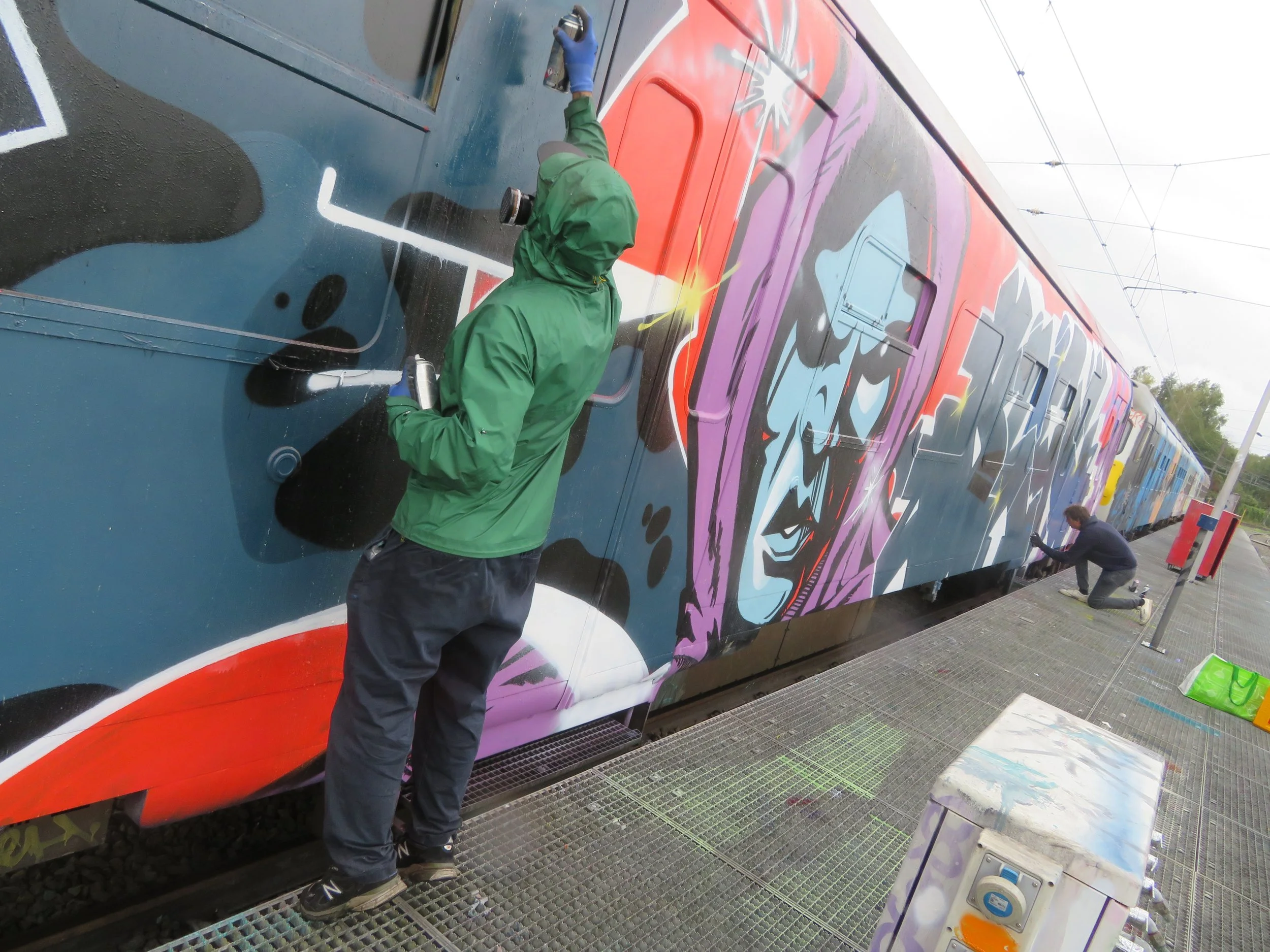
-何人かのGTメンバーは、クルーを始めたときにすでに知っていました。それから時間が経つにつれて他のメンバーとも出会い、さまざまな国を旅する中でも出会いました。彼らと出会った後、クルーは大きくなっていきました。
年を重ねるにつれて、グラフィティをやめるメンバーもいれば続けるメンバーもいます。今は若いメンバーの方が活発に活動しています。
Q 3.How did you meet the GT members? What changed after meeting them, and what stayed the same?
Some GT members i already knew when i started the crew, then with time i met others, also when travelling in different countries, after meeting them the crew just became bigger you know,
and as we get old some kind of stop writing graffiti and some keep doing graff, the younger members are more active nowadays.
Q 4. 作品を「マガジン」という形で制作することを決めた理由は何ですか?
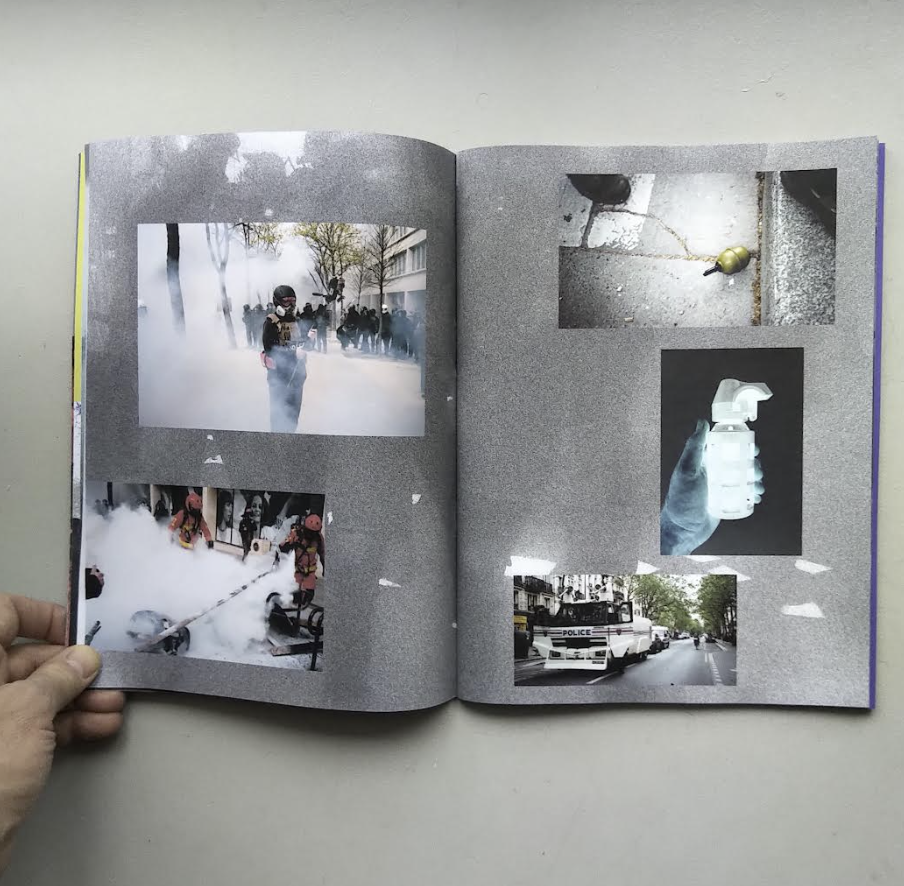
実際には、マガジンというよりファンジンです。マガジンは広告などが入った正式なものですから。
今、フィルム写真をたくさん撮っていて、それを見せたかったんです。ロンドンの友人Teachがファンジンをリリースしないかと提案してくれたので承諾し、その後自分で2号目をリリースしました。これからもジンをリリースし続けるつもりです。本当に気に入っています。自分が見せたいもの、言いたいことを自由に表現できる、それが100%独立していることの本当に面白い点です。
Q 4. What made you decide to create your work in the form of a "MAGAZINE"?
-Actually it's more a fanzine than a magazine, a magazine is something real official with advertisements etc...
I am now taking a lot of film photography and i wanted to show them, so when my friend Teach from London offered me to release a fanzine i said yes and then i release
a second issue myself, i will continue to release zines i really like it, i'm free to show and say whatever i want and that's the real interesting aspect of being 100% independant.
Q 5. 通常は消されてしまうグラフィティを、なぜ動画やマガジンという形で保存することを選んだのですか?そして、作品を永続的な形で残すことにどんな意味を見出していますか?
-グラフィティを描く行為は、もちろん写真や動画とは異なります。グラフィティの主な問題は消されてしまうことなので、それを見せる方法が必要なんです。また、今でもグラフィティには興味がありますが、私の年齢では他にも注力していることがあります。
たとえば音楽です。また制作を始めていて、今はアルバムを完成させようとしています。それと、SNDTRK1(サウンドトラック1)という最初の本をリリースする予定です。
Q 5 . Why did you choose formats like video or MAGAZINE to preserve graffiti, which usually gets erased? And what meaning do you find in leaving your work behind in a lasting form?
-The act of writing Graffiti is of course different from photography and video, the main problem with graffiti is that it gets erased so we need ways to show it, also now i'm still interested in graffiti but at my age i have other focuses
Like music for instance that i am starting again to produce, i am trying to finish an album now, and also about to release my first book called SNDTRK1 (soundtrack1).
Q 6. グラフィティは社会批判、自由の主張、破壊行為、またはアートとして見られますが、あなたはどう思いますか?
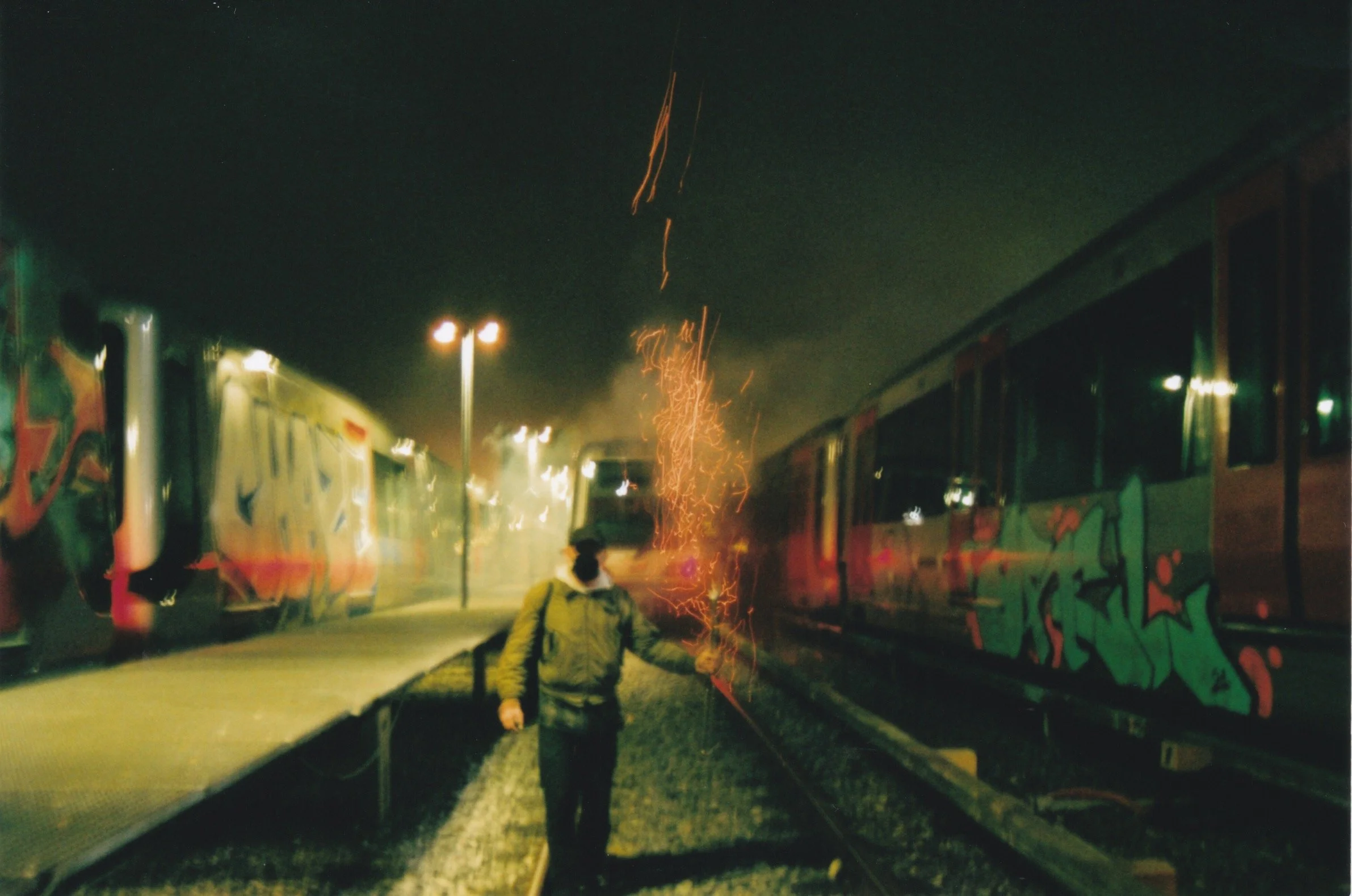
-子どもたちが自分を表現し、自分の存在を示す方法だと思います。子どもたちと言うのは、グラフィティを始めるのは多くの場合とても若い時だからです。私はまだ描いているので、誰の許可もなく自分を表現し続けています。
それは自由です。グラフィティはほとんどの場合エゴトリップですが、社会が病んでいることを示しています。もっと政治的なグラフィティを描く人もいます。それが今私が向かっている方向です。世界にはあまりにも多くの問題があるので、エゴトリップで自分のことだけ語っている場合ではありません。
自分の名前を100万回書いたら、そろそろ違う方向に進む時かもしれません。
Q 6 . Graffiti can be seen as social criticism, a claim to freedom, vandalism, or art—what do you think it is?
-I think it's a way for kids to express themselves and show they exist, i say kids because when you start writing you are often very young, i am still writing, so i'm still expressing myself without consent of anybody
It's freedom, graffiti is most of the time ego trips but they show that society is sick, some guys have more political graffiti, that's where i'm heading now, the world has too many problems to only speak about yourself with ego trips.
Once you write your name a million times maybe it's time to go a different direction.
Q 7. 路上の作品が消されても描き続けた意味は何でしたか?そして、消されることに「美学」があるという考えについてどう思いますか?
-グラフィティは破壊行為とみなされます。一般の目には本当に醜いもので、多くの場合彼らは正しいです。なぜなら多くの人はうまく描けず、スタイルがないからです。でも今は「ストリートアート」という言葉が生まれたので、大衆は混乱しています。
もちろん人々は、スローアップよりもライオンと花の絵を見たいでしょう。でも私たちにとって、ストリートアートは恐ろしくバンダリズムが美しいのです。興味深い現代アートのアーティストたちが、グラフィティは好きではないと言っていました。理解できると答えました。彼らが目にするのは、ひどいストリートアートの絵と本物のグラフィティが混ざったものだからです。結局、めちゃくちゃなんです。
60年代後半から70年代初頭のニューヨークの電車の最初のグラフィティを見ると、本物の芸術作品、あるいは傑作かもしれません。
Q 7 . What was the meaning behind continuing to paint even when your pieces on the street were erased? And how do you feel about the idea that there is an "aesthetic" of things being erased?
-Graffiti is considered vandalism, to the public eye it's real ugly, and often they are right, because a lot of guys cannot write well, they have no style, but now they invented the term "street art" so the masses are getting confused,
Of course people like to see a painting of flowers with a lion and not a throw up, but to us we find street art horrible and vandalism beautiful, some very interesting contemporary art artists were telling me they don't like graffiti, and i said i understand because all they see is a mixture of horrible street art paintings and real graffiti, at the end it's a mess.
When you look at the first graffiti on trains in NYC in the late 60s and early 70s they are real pieces of art, or maybe masterpieces.
Q 8.DIRTY HANDZの電車のグラフィティはとても印象的です。描く場所に特にこだわりはありましたか?そして、なぜキャンバスに「アートワーク」を制作することを選ばなかったのですか?
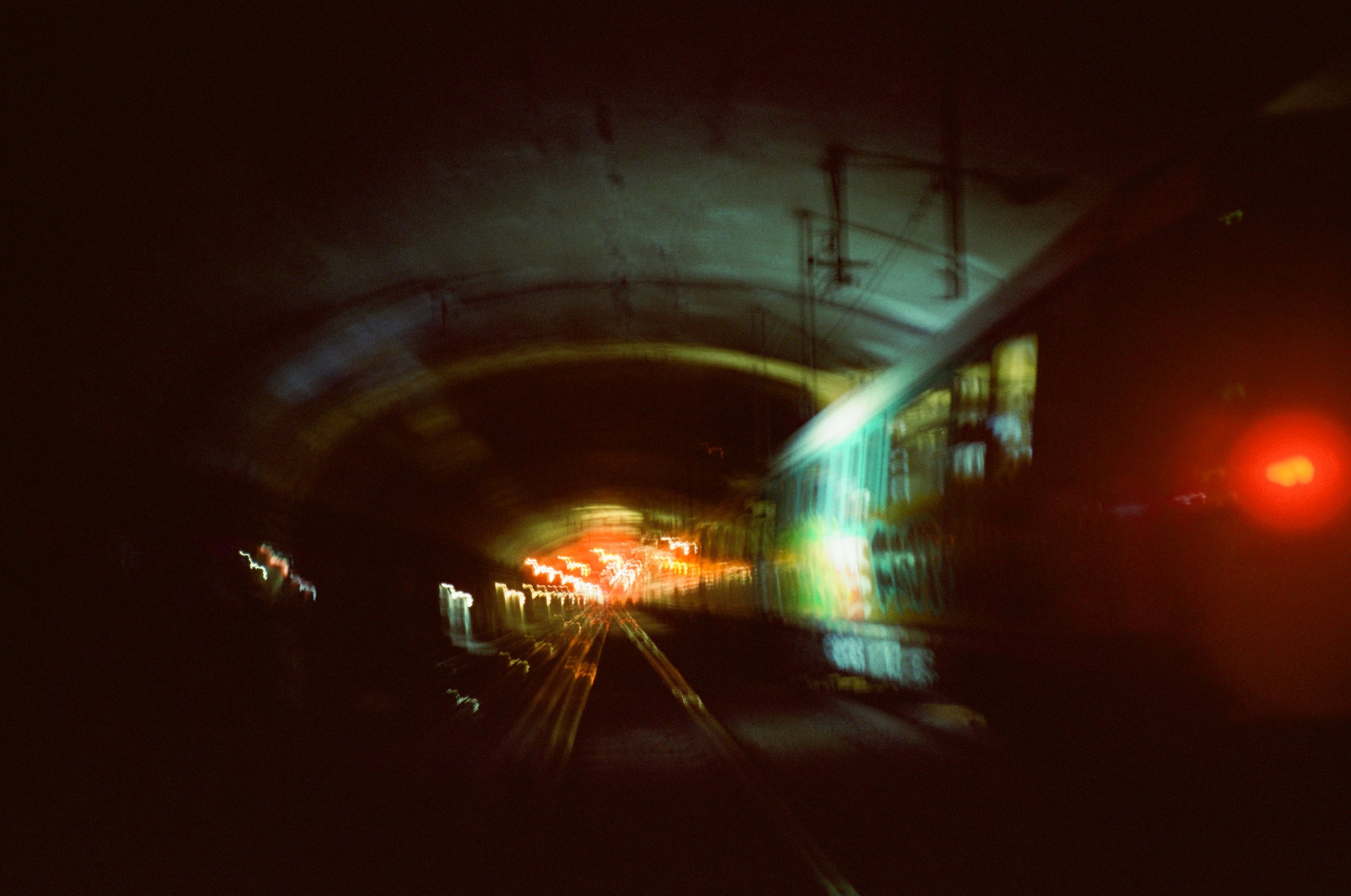
-私たちはただの野蛮な破壊者の集団でした。DIRT HANDZでの目標は、できるだけ多くを「破壊」することでした。あまり考えていませんでした。キャンバスは私たちがやることではありません。特に25年前は。
Q 8 .Graffiti on trains, like in DIRTY HANDZ, is very striking. Did you have a particular focus on where you painted? And why didn't you choose to create "artworks" on canvas instead?
-We were just a wild bunch of vandals, our goal in DIRT HANDZ was to "destroy" as much as we could, we didn't think much, canvases are not something we do, specially 25 years ago.
Q 9. グラフィティと音楽の両方で、「作品が街に与える影響」をどのように捉えていますか?
- グラフィティが街に与える影響は、雇用を創出することです!!消さなければならないので、より多くの人を雇うことになる...😃
音楽に関しては、私は全く有名ではないので、私の音楽は街に影響を与えていません。
Q 9 . How do you perceive the "impact your work has on the city," both through graffiti and through music?
-The impact on the city for graffiti is that we create jobs!! they have to clean it...so they hire more people....😃
Through music, as i am not famous at all, my music has no impact on the city.
Q 10. グラフィティと音楽を通じて何を伝えたい、または表現したいと思っていましたか?そして、両者に違いはありますか?
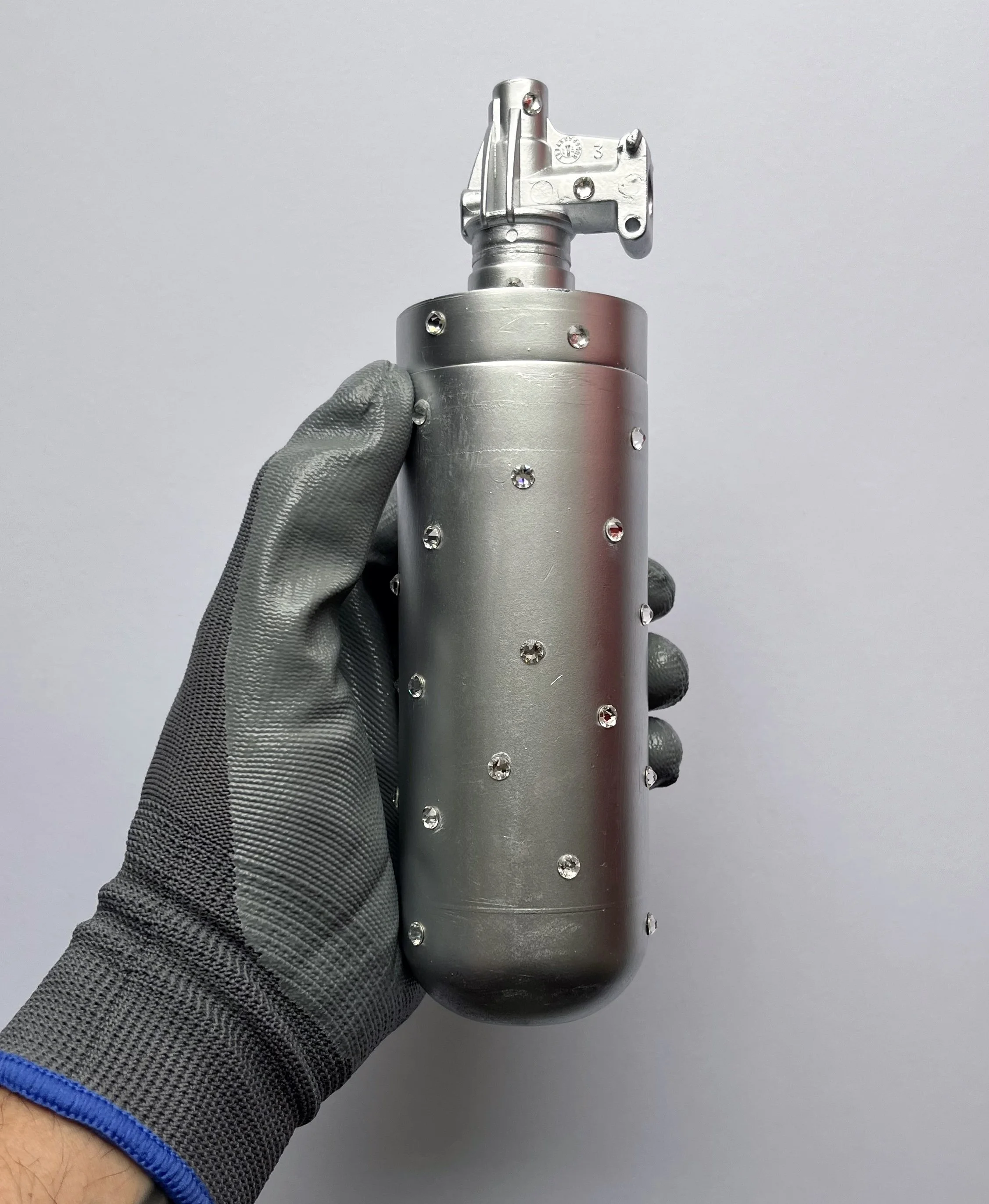
-今、グラフィティではより政治的な方向性を持とうとしています。音楽は私にとって、撮影する写真を説明するものです。それはまた、創造する必要があるものでもあります。音楽が大好きです。
“予想外のリズム”とか“粗さ”とか、いわゆる不完全とされるものが、むしろ一番ワクワクする発見につながるし、そこに本当の魔法があるんだ。
Q 10. What did you want to convey or express through graffiti and through music? And do you see differences between the two?
-With graffiti now I am trying to have a more political direction, and music to me illustrates the photographs I take, it's just also something I need to create, i love music.
Q 11. グラフィティライターから音楽プロデューサーに転身したとき、特定のターニングポイントはありましたか?
-ビートの作り方を発見したとき、グラフィティを描くのが本当に減速しました。それからニューヨークに移り、ほとんど描かなくなりました。
Q 11. When you shifted from being a graffiti writer to a music producer, was there a particular turning point?
- Once I discovered how to make beats, that's when I really slowed down writing graffiti, then I left for NYC and I really almost stopped writing.
Q 12. 音楽とグラフィティの両方を貫く一貫したコンセプトはありますか?
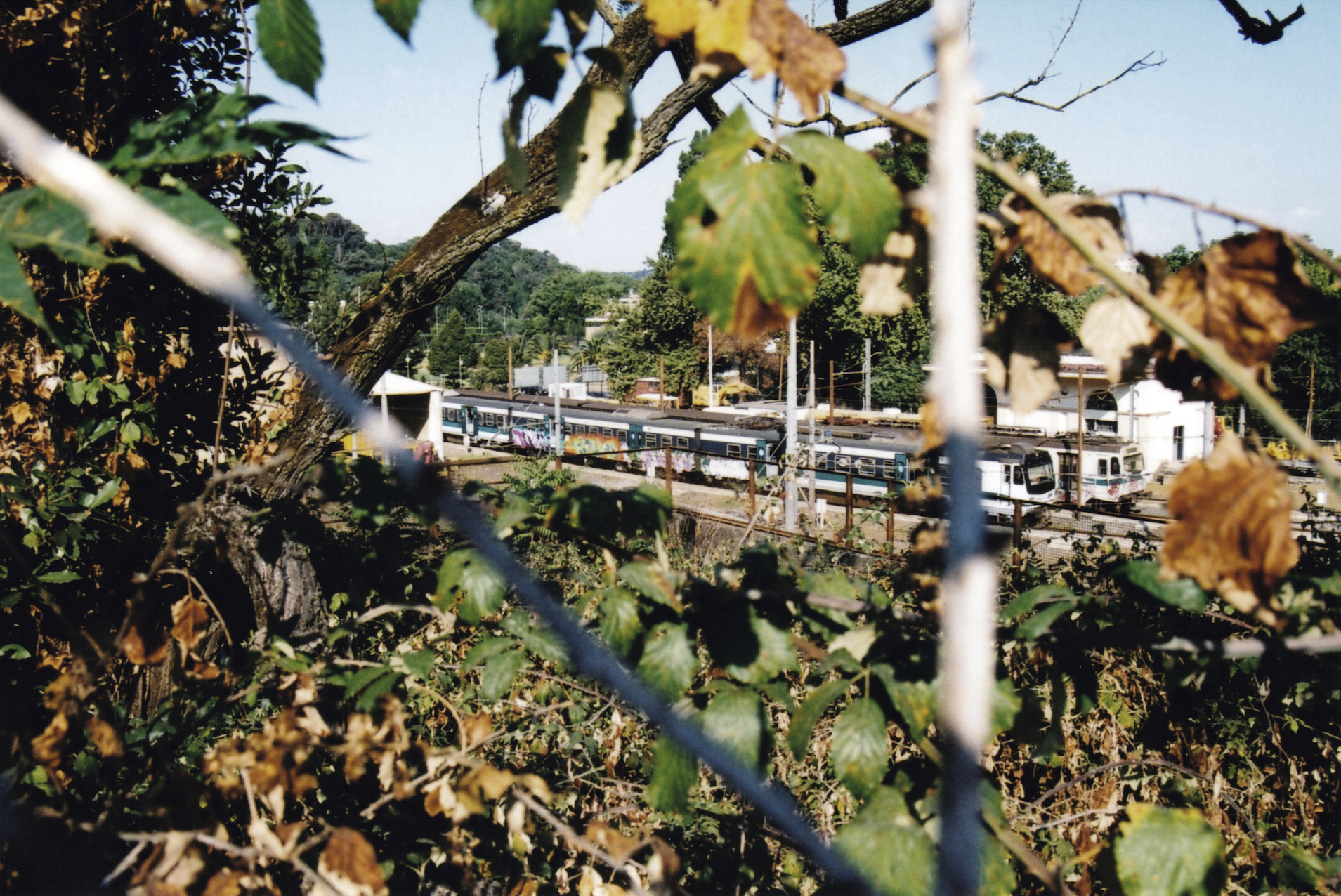
-コンセプトがあるとは思いませんが、音楽とグラフィティは繋がっています。私にとって、イメージやアートワークは音楽と結びついています。私の音楽スタイルは、パリやニューヨークで過ごした時間から来る、非常に都会的な生活様式から生まれています。
都会的な生き方が、私がするすべてのインスピレーションです。また、田舎や山にいるときも、アイデアが湧いてきます。そこで写真を撮ったりします。何でも創作プロセスにインスピレーションを与えることができます。
Q 12. Do you have a consistent concept that runs through both your music and your graffiti?
-I don't think i have a concept, but music and graff are linked, images or artworks are to me connected to music, my style of music comes from
a very urban way of living, whether it's Paris or the time i spent in NYC, my urban way of life is the inspiration for everything i do, also when i find myself in the countryside or mountain,
it also gives me ideas, i take photos there etc, anything can inspire your process of creation.
Q 13. 作品が世界に認められることがあなたの目標ですか?それとも他に目指している目標がありますか?
-世界に認められることには興味がありません。もちろん、音楽でも写真でもアートワークでも、自分の作品について人々に知ってもらいたいです。
でも私にとって最も重要なのは、人々に与えるものです。人々が本当に評価できるものでなければなりません。商業的な音楽やアートには全く興味がありません。
Q 13. Is having your work recognized by the world your goal? Or is there another goal you're aiming for?
-I'm not interested in being recognized by the world, of course i want people to know about my work whether it's music or photography or artworks
But the most important to me is what i give to people, it needs to be something they can really appreciate, i'm not at all into commercial music or art.
Q 14. あなたにとって「スタイル」とは何ですか?
-スタイルは自分を表現する方法です。いや、自分を表現する方法の質です。ファッションならスタイルが必要です。グラフィティでも同じです。まあ、かつては同じでした。
今は進化しました。もはやスタイルについてではありません。子どもたちは信じられないビジュアルを生み出していますが、スタイルはありません。古典的な絵画やデザインに近いですが、ただ良いだけです。
視覚的に良くなければならない、それだけが重要です。スタイルはもう重要ではありません。
スタイルは、グラフィティに関して言えば、古い学校の考え方だと思います。私もかつてはそう考えていましたが、今は変わりました。
Q 14. What does "style" mean to you?
-Style is the way you express yourself, no, it's the quality of the way you express yourself, if it's in fashion you need to have style...it's the same in graffiti, well it used to be the same,
Nowadays it evolved, it's not about style anymore, kids are producing incredible visuals but they have no style, it's more related to classic painting or design, but it's just good.
It has to be visually good, that's all that matters, style is not important anymore.
Style I guess is an old school way of thinking when it comes to graffiti, that's how I used to think now I changed.

Q 15. あなたの音楽は映画や音楽以外のソースからサンプリングすることが多いです。それらを選ぶ際に何を意識していますか?
-何からでもサンプリングします。本当に、私は現代の海賊です。でも今は本物のミュージシャンである友人と一緒に作業しているので、サンプリングは減っています。
Q 15. Your music often samples from films and other non-musical sources. What are you conscious of when choosing those?
-I sample from anything, really, I'm a pirate of modern times, but nowadays I work with a friend who's a real musician so I sample less.
最後に、未来を担う若者たちへのメッセージをお願いします。
-誰にも夢を壊させないでください。常に自分の直感に従ってください。
できれば資本主義から距離を置いてください。過度な消費はしないでください。
Please give a message to the young people who will be responsible for the future.
Don't let anybody break your dreams, just always follow your instinct.
Stay away from capitalism if you can...don't consume at outrance.