

Ep.7 DANIEL DELLO
VISUAL ARTIST
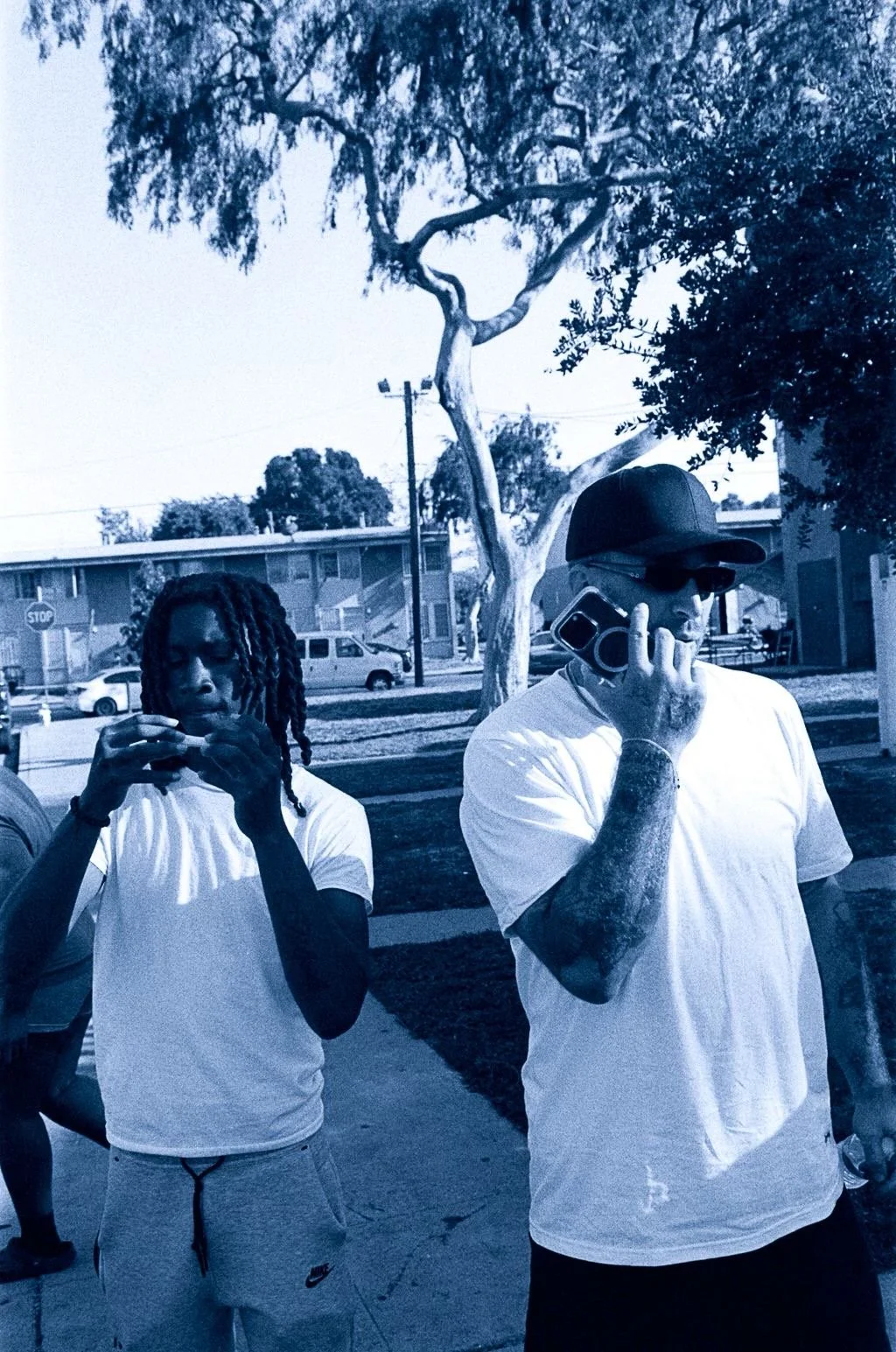
Introduction
NYとLAを拠点に、カルチャーの周縁やサブカルチャーと共に育った人類学的ドキュメンタリー作家、Daniel Derro
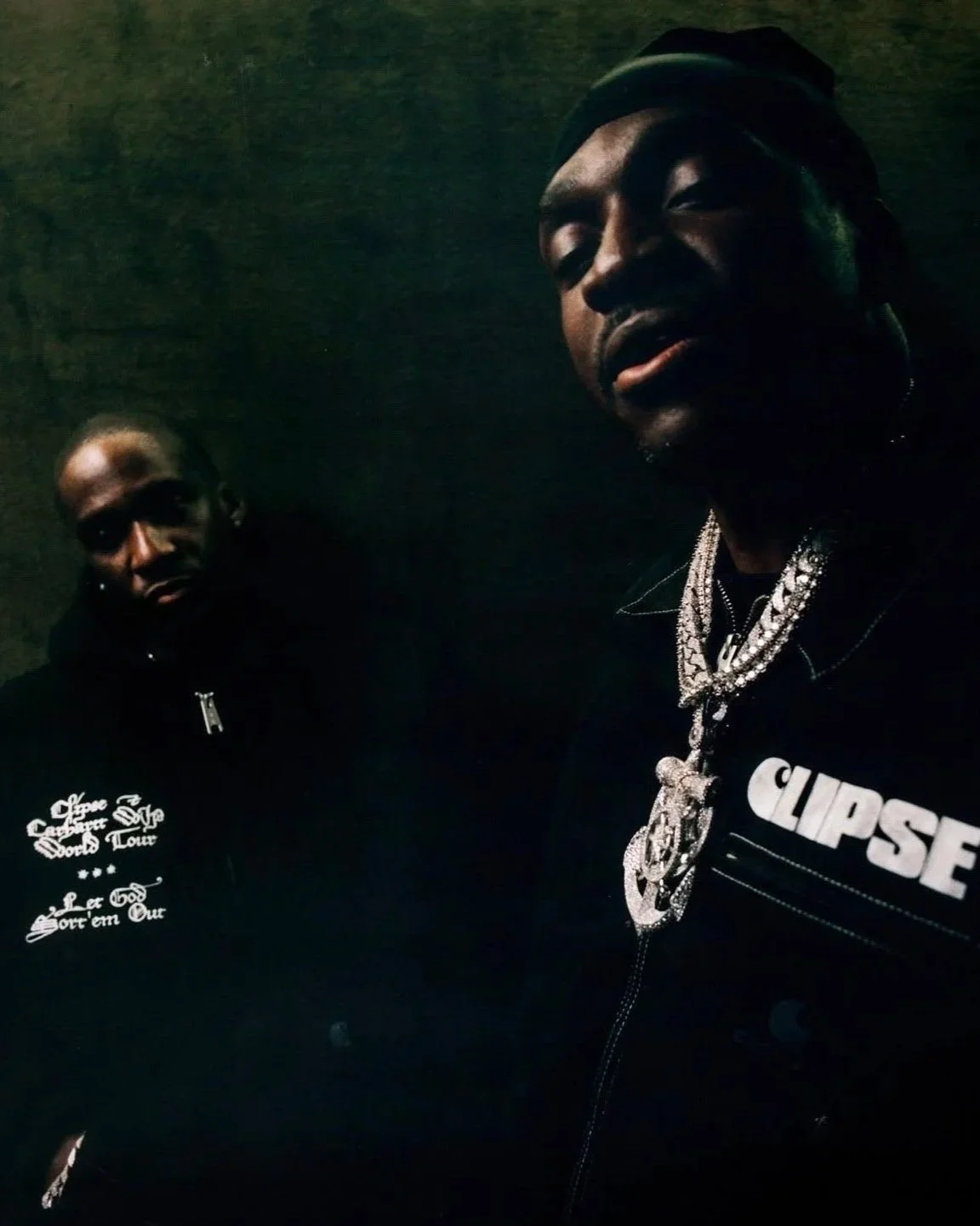
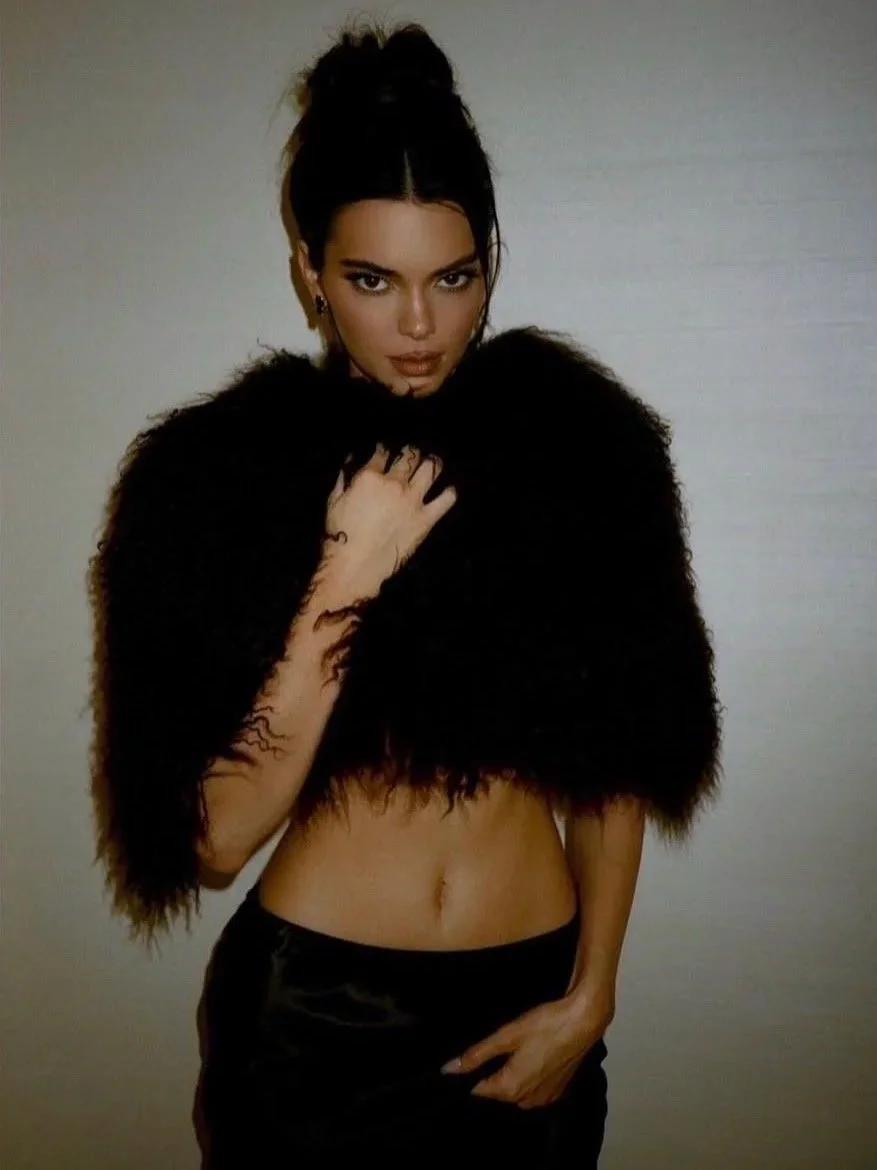
ストリートで培った視点を武器に、Stüssy やcarhartt などのストリートブランドから、Kendall Jenner や Hailey Bieber といった世界的モデルのビジュアル制作、さらにはPRADA、Dior、GIVENCHYなどのハイファッションのキャンペーンまで手がける。
現実と、自身が思い描くファンタジーのあいだに身を置き、実績や肩書きではなく、被写体の生き様を切り抜く。
リアルとは何かが問われるこの時代に、自身の生き様と、面越しの被写体の背景までも映し出す。
Based in New York and Los Angeles, anthropological documentary filmmaker Daniel Derro grew up alongside the fringes of culture and various subcultures.
Armed with a perspective shaped by the streets, he has worked with streetwear brands such as Stüssy and Carhartt, created visuals for global models including Kendall Jenner and Hailey Bieber, and led high-fashion campaigns for Prada, Dior, and Givenchy.
Positioning himself between reality and the fantasy he envisions, he captures not résumés or titles, but the way his subjects live and exist.
In an era when the meaning of “real” is constantly questioned, his work reflects not only his own way of life, but also the unseen backgrounds of those in front of the lens.
NO-SCHOOL RECORDS は、レコードレーベルを装ったオルタナティブなプラットフォーム。
友人と自身の作品を置いておく場所であり、ラジオ、印刷物、アートワーク、執筆、インスタレーションへと領域を拡張しながら、「残したいからつくる」「仲間とシェアしたいから出す」という動機だけで動ける流通とアーカイブの回路をつくり続けている。
NO-SCHOOL RECORDS is an alternative platform disguised as a record label.
It is a space to house works by friends and by the founder himself - expanding across radio, printed matter, artwork, writing, and installation - while continuously building its own circuits of distribution and archiving.
Driven solely by the impulses of “creating because we want to preserve” and “releasing because we want to share with our community,” it operates beyond conventional systems of validation, sustained only by intention and connection.
15Questions
Q1. ご自身のルーツについて教えてください。
-母は音楽教師で、私が8歳になるまで、自宅でレッスンをしていました。私の8歳の誕生日に起きた 1994 年の地震で家を失い、父の家の近くにある 2 ベッドルームのアパートへ、母と姉妹たちと一緒に引っ越しました。元の家は「住めない」と判断され、それが人生が大きく変わるきっかけになりました。
その後、ビル・クリントン政権下の支援プログラムを通じて、私たちはその家を再建し、戻ることができました。
レンガ造りの煙突が崩れ落ちたことで、地震で取り返しのつかない損害を受けた家庭として、補助金の対象になったんです。
家に戻れるようになるまで、およそ 2 年かかりました。
戻ってしばらくしてから、両親は離婚しました。その頃、母は新しいパートナーとの交際を始め、父は Hauser と呼ばれるミッドシティのエリアに引っ越しました。裁判所の決定で、私たちは毎週火曜日と隔週の週末に父と会うことが義務づけられました。その結果として、父と私たち兄弟姉妹との関係は、父のせいではない理由で少しずつ距離が生まれていきました。
よく一緒に過ごしていた祖父母は、イタリア南部・カラブリア出身でした。また、近所にはアルゼンチンから来た家族もいて、その家の子どもたちとも一緒に育ちました。 バスケットボールチームで出会った友人の家に泊まり込むことも多く、さまざまな文化背景の家庭のなかで育ちました。
父はどこか空虚な人になってしまい、母と別れてから前に進めずにいました。離婚の経緯や、二人が通っていた教会で起きた出来事に対する苦々しさや恨みを、長い間、抱いていたように見えます。私は家族ぐるみの友人の家に身を寄せることも多く、高校時代はさまざまな家庭環境を転々としていました。
ホームレス状態を経験したこともあり、少年院やプログラムに入れられたこともあります。学校では「優秀な子ども」と見られていましたが、現実にはキャンプや矯正プログラムに参加せざるをえませんでした。育った環境は厳しく、暴力的な側面も多かった。いわゆる“二重生活”のようなものを送っていた時期もあります。
17歳のとき、僕は州の保護下に置かれ、「孤児」として扱われることになりました。学校の外での行動がエスカレートしてしまい、母が「これ以上の選択肢はない」と判断し、自分の命を守るために僕をユースオーソリティ(少年保護当局)に委ねたんです。
幼い頃から、かなり過酷な光景を目にし、早い段階で「大人の世界」に触れてしまいました。そのせいもあって、大人になってから、自分のルーツを辿り直すために、祖父母が生まれ育った土地を繰り返し訪れるようになりました。自分が何者なのかを理解し直すための旅でもあります。
Q 1. Could you tell u s about your roots - where you were born, what your childhood environment was like your parents or people who influenced you? What do you think has shaped who you are today?
Yeah, my mother was a teacher. She taught music out of the home I lived in until my 8th birthday. We lost our house in the 94 earthquake that day I turned eight and moved into a two bedroom apartment near my father and my mother and my sisters. Our house was condemned and considered unlivable. I think that was when things changed dramatically.
We would return to that house that The government helped us rebuild under Bill Clinton. We qualified for some aid because we had a brick chimney that caved in and he was giving out stipend’s for families that suffered unrepairable loss through that disaster.
It was about two years before we were able to move back into that home. Not long before we got settled my mother and father separated. It was then that my mother started dating, and my father moved to mid city of Hauser. By court requirements, we were reprimanded to see my father every Tuesday and every other weekend at that point I would say that the relationship between my father and my siblings suffered to no fault of his own.
My grandparents that I was connected to were Italian from south of Italy in Calabria. I grew up quite a bit with them. I also grew up with my neighbors they were from Argentina and then I grew up sleeping at friends from my basketball leads homes that had two parents.
I grew up with a variety of different cultures. My father became vacant, he didn’t seem to move on after my mother, and he had some bitterness and resentment over the divorce, and the way things played out within the churches that they attended.
I lived with family friends often and bounced around through high school different living situations I had bouts of homelessness incarceration I went through programs camps even though I was considered a gifted kid.
I was an athlete. I’m kind of lived a double life growing up where I grew up was rough. It was challenging. It was violent. I did become award of the state of 17 years old classified as an orphan, my behavior off campus and outside of school warranted what my mother thought was no choice left to save my life by giving me over to the youth authorities.
I witnessed a lot of painful things very young. I was exposed to things at a young age. Maybe some shouldn’t. I’ve spent a lot of time going back to where my grandparents and family are from retracing my roots, trying to better understand who I am.
Q 2. 10代の頃から今の姿を想像していましたか?
それとも、若い頃から明確なビジョンとして描いていた未来なのでしょうか。
-いいえ、10代の頃に思い描いていた人生と、今の自分の姿にはまったく似ているところがありません。
18歳の頃の私は、30歳まで生きられるかどうかさえ確信が持てませんでした。どん底にいて、希望を失い、傷つき、世界に対して怒りを抱いていました。
それ以前の自分だったら、プロのアスリートになって、大学に進学して、音楽業界で A&R の仕事をしたいと考えていました。でも、人生の現実が一気に押し寄せてきて、その道は閉ざされてしまった。
子どもの頃から絵を描くのが好きで、イラストやペインティングに夢中でした。
身体能力も高く、とにかくエネルギーが有り余っていて、じっと座っているのが苦手でした。
英語や歴史の授業も得意だったし、生まれつき物語を紡ぐ力があると感じていました。
音楽を聴き分ける耳と、色を捉える目も持っていたと思います。
人の感情を読み取ったり、部屋の空気を察したり、言葉にされていないことを感じ取るのも得意でした。
自分ではよく分からないけれど、リーダーとして見られていたことが、そのまま悪い方向に働いてしまった場面もあったと思います。
身近にロールモデルがいませんでした。
愛の示し方も、成功のイメージも、手本になるような大人の姿を、目の前で見る機会がなかったんです。
Q 2. You hold multiple roles, such as photographer, director, and consultant. Did you imagine yourself i n this position when you were a teenager, or was this a future you came to envision later on?
No, I had no vision in resemblance of my life now. At 18 I wasn’t sure I would live past the age of 30. At that point I was in a downward spiral, hopeless, hurt and angry with the world.
If you would ask me prior to that, I wanted to be a professional athlete attend college work in music on the A&R side. Those goals, kind of came to a close as life caught up to me.
I grew up, making a bit of art, I was really into illustration and painting, and I was very athletic. I had a lot of energy. It was hard for me to sit still I thrive in the English in history language as well.
I believe I was a gifted writer storyteller by DNA and I had an ear for music and eye for color. And I can read a room and I could feel other people‘s feelings and I could know what people weren’t saying I was observant. I don’t know.
I was a leader and I think my leadership skills wound me up in some bad situations. I lacked role models. I didn’t have the blueprint for love or success didn’t have the example.
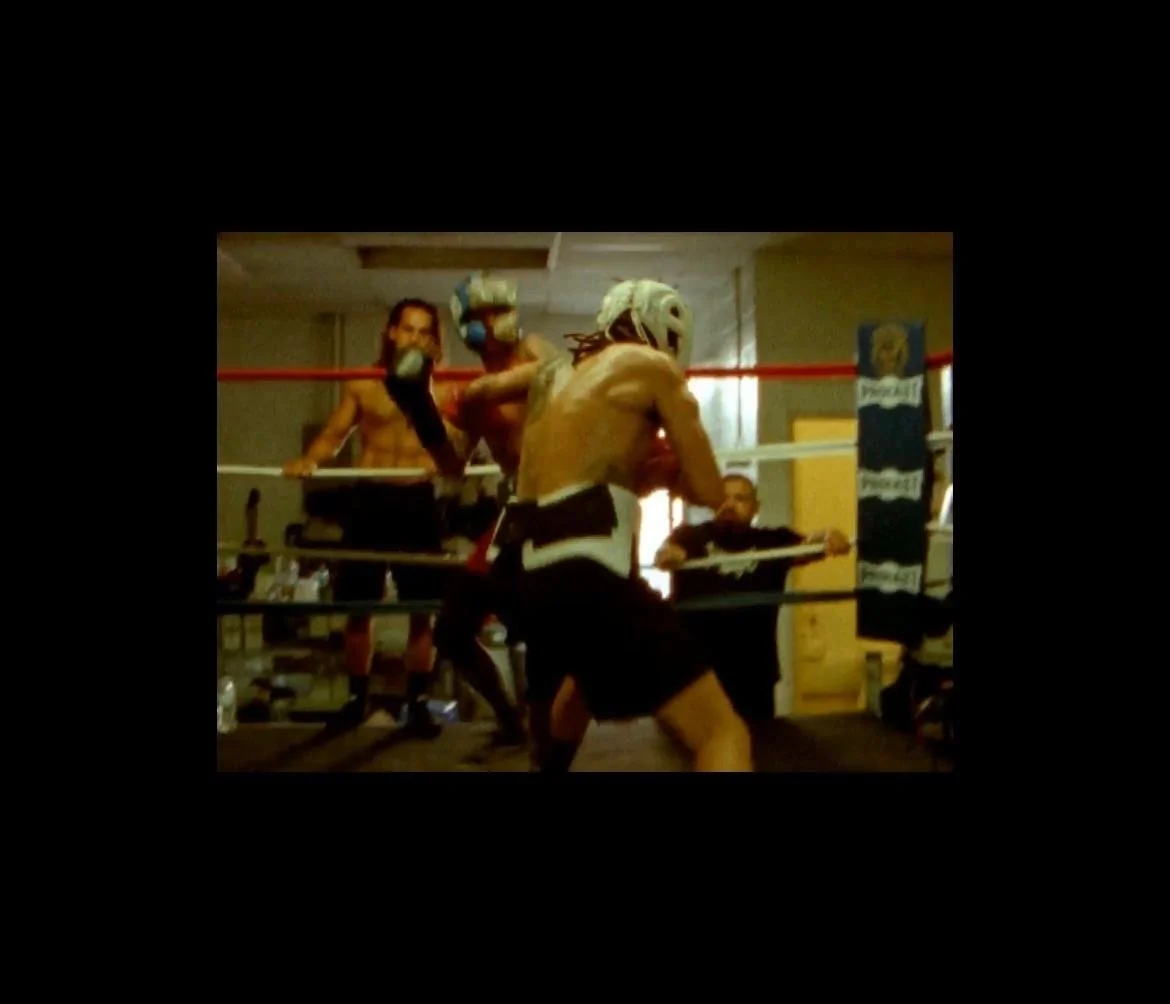
Q 3. あなたの写真には、まるでストリートの少年が撮ったかのような新鮮さがありながら、どこか懐かしさも感じます。
写真の中にある現代的なアイテムと被写体、そして空気感が交錯し、良い意味で時代がズレているような違和感を覚えるのですが、こうした雰囲気は意図的に作っているものなのでしょうか?
-まず、私と同じような生い立ちや育ちの人が、今の自分と同じ場所にたどり着けることは、そう多くないと感じています。 携帯電話が普及する前、みんなが“同じ時間”のなかで一緒に成長していたあの時代に育ったことと、本格的に写真に取り組み始めたタイミングがその延長線上にあったこと、この二つが自分の軸になっています。
だから、自分の知っている感覚以外に向かおうとしても、正直どこを目指せばいいのか分からないんです。結局はタイミングの問題だと思います。もし今からやり直せと言われても、同じような道を辿って、同じ場所にはたどり着けなかったはずです。
私が写真に関わり始めた頃は、美の定義や、それに続くメインストリーム/ポップカルチャーの在り方が大きく揺れ動れていました。それまでずっと地下にあった“ある方向性”や“感覚”が、急に強く求められるようになった時期でもありました。ちょうどそのタイミングでニューヨークから地元に戻り、フレッシュな目で自分の街を撮り直すことができたんです。
その延長線上で、いま業界全体がそれをなぞるように、ストリートキャスティングや、強い個性を持つ被写体を起用したビジュアルを量産するようになった。グローバルブランドやエディトリアルの現場でも、それが一種の“型”になっていると感じています。
写真にノスタルジーがある、という指摘については、その通りだと思います。自分の若い頃の記憶は、何かに取り組む時、何かを思い描く時に、いつも参考にしてしまう「明るい棘」のような存在です。当時の自分たちをついロマンチックに捉えてしまうし、もう存在しない時間を深く恋しく思っている。それが自分の足かせになることさえあるくらいです。
だからこそ、意識していなくても、結果としてあなたがおっしゃるような“少し時代がズレた”雰囲気になっているのかもしれません。磨かれた、完成度の高いアウトプットをつくることもできますが、私はシックで裕福で、何もかもがスムーズな環境で育ったわけではない。祖母や親族は本当にスタイルがありましたが、それは貧しい移民として、ワーキングクラスのなかで身につけたものです。
これまで、自分のコンフォートゾーンから外れているように感じる作品は、意識的に隠したり、抑え込んだりしてきたところがあります。それは、自分の生活感から離れた表現をする時、どこかで“現代的なスタイル”ではなく、先祖のスタイルに呼応していないと落ち着かない感覚があるからかもしれません。
今は、そのルーツにきちんと敬意を払うプロジェクトに取り組んでいます。イタリア系の家系の古い写真と、先祖の村に伝わる一冊の本をベースにした作品で、いつか皆さんにもお見せしたいと思っています。数年前から温めているプロジェクトなのですが、Vogue の仕事やハイファッションの現場に関わると、どうしても“自分らしくない”と感じてしまうことが多くて、、
あなたが話してくれたような感覚を、そのままの強度で、コマーシャルの文脈のなかに一貫して持ち込むのは、今も簡単ではないんです。
Q3. Your photographs feel fresh, as if they were taken by a street kid, yet they also carry a sense of nostalgia. The modern elements, the subjects, and the atmosphere intersect i n a way that creates a subtle feeling of time being out of sync Is this atmosphere something you consciously create?
- I know people that typically come from my background and upbringing don’t make it into the rooms and reach the levels that I have. Being from a somewhere in a time where we all grew up together in the moment (pre cell phone) and then marrying it with the timing that I entered into having a serious photography practice.
I don’t really know how to go for anything else than what I know. It really comes down to timing, if I had to start over now I never could and have it go the way that it’s gone.
When I became involved with practicing photography, there were seismic shifts in terms of defining beauty and what would follow in terms of mainstream or popular culture.
That steer, that lean; which had always been there seemed to become really in demand. Moving back from New York at the right time to re-capture my neighborhood with fresh eyes.
Which then the industry seems to pattern itself after. A volume of street casting and personality driven subjects for global brand and editorial.
I would say there’s a degree of nostalgia because my youth is a bright thorn as it falls suit as reference in terms of how I approach or envision anything. I romanticize the past to how we once were and I deeply miss a time that doesn’t exist anymore, so much so it can be to my own detriment.
By default without intention, the result might feel as you say out of sync. I can deliver so many finished polished outcomes it just that often times I didn’t grow up chic, or affluent or easy.
My grandma and kin could dress don’t get me wrong but that’s because they were poor immigrants and came from working class.
I’ve often hidden or suppressed work, that felt out my comfort zone to how I live my life maybe due to the fact that when I do step into that space it needs to mimic that of my ancestors and not contemporary i am working on a project that I feel honors that.
It’s based on old photographs of my Italian side and a book that comes from the village of my ancestors that I would love to show you. I’ve been sitting on it for a few years, but when I do a vogue thing or I work with the high fashion people, it’s been tough cause it just hasn’t felt like me.
I can’t capture that feeling you’re speaking about consistently in that equinox.
Q 4. あなたの写真は、静止画でありながら、その場の温度感や空気感を閲覧者が頭の中で映像のように想像できます。
その臨場感は、技術によるものなのか、それとも意図せず生まれるものなのでしょうか?
- 意図的ではない、とは言い切れません。あの臨場感を引き出すための、自分なりのやり方や技術は、時間をかけて育ててきました。ただ、根っこにあるのは「誠実さ」です。
被写体と以前から知り合いかどうかに関わらず、目の前に座っている人と、できる限りまっすぐで正直なコミュニケーションを取ること。「これは二人で共有している体験なんだ」と伝え、その人の“顔つき”や“これまで生きてきたもの”をきちんと尊重しているということを、言葉と態度で示すようにしています。
Q 4. Although your work consists o f still images, viewers can imagine the temperature and air o f the moment as if it were a moving image. Is that sense o f presence created through technique, o r does i t emerge unintentionally?
- I’m not sure I can’t say that it’s intentional, but I have developed techniques that I feel lend themselves to extract that feeling.
The intention that I do Carrie is honesty and whether I know the subject or I don’t, I always try to have a genuine truthful interaction with whoever sitting in front of me and let them know that I know that we’re in this together, and that this is a shared experience and that I respect their likeness and whatever they’ve been through.
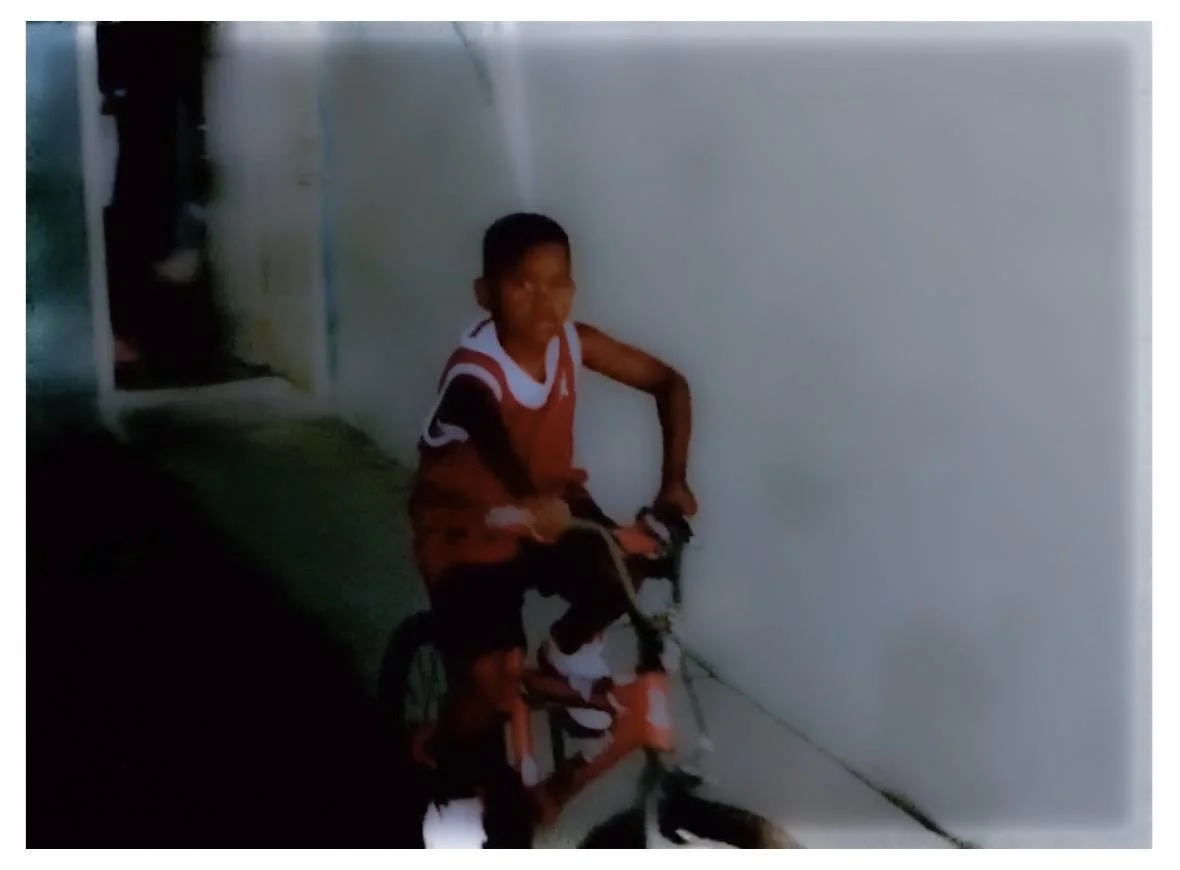
Q 5. あなたの作品には少年が被写体として登場することが多い印象があります。彼らが持つ大人とは異なる要素や、被写体として選ぶ理由について教えてください。
-誰もが一度は「若い」時期を生きますが、全員が「年老いる」ところまで辿り着けるわけではありません。私は、自分の若さをとても早く失ったと感じています。
だから、少年たちを撮ることは、どこかで「何も知らなかった若い自分」と会話しているような感覚なんです。そこには、因果のようなものもあるのかもしれません。
自分が若い頃に必要としていた存在に、今の自分がなれるなら、そうありたい。そして、何よりも、自分が育つ過程で“何が足りなかったのか”を、誰よりもよく分かっているつもりです。
Q 5 . Many of your works feature young boys as subjects. What qualities do they possess that differ from adults and why do you choose them as your subjects?
- I think everyone gets to be young and not everyone gets to be old and I lost my youth very young. I feel like I am talking to a young version of me that didn’t know better, there’s a karmic element of it.
I wanna be someone that I needed when I was young to them if I can, and I know more than anything, what I was missing growing up.
Q 6. 「プロ」と「アマチュア」。フォトグラファーとして、その違いをどこに感じますか?
-写真を撮るという行為そのものに、「アマチュア」という区別はあまり意味を持たないと思っています。それを「ビジネス」として語るのであれば、話はまったく別ですが。
誰かの写真を撮るときに大切なのは、その行為が誠実で、ちゃんとした意図を伴っているかどうか。人とどう話し、相手の立場や状況にどう寄り添うかは、経験を通じて学んでいく部分です。
細部に気づく目や、撮影や仕上げのなかで育てられていく技術。時間とともに増えていくツールや、その組み合わせ方という“道具箱”。そして、その場その場で、どの道具を使うべきかを判断できること。こうした積み重ねが、結果として「プロフェッショナル」に見えることにつながっていくのだと思います。
フィルムで撮ることは、常に決断を迫られることでもあります。暗室での作業も、選択の連続です。制作のプロセスのなかで選択を手放していくと、自分のなかで「ちょっと怠けているんじゃないか」という感覚が出てくる。怠けは、自分のなかで“プロ”とは結びつかないんです。
簡単な方法を選べば、同じようなアウトプットにはたどり着けるのかもしれない。でも、少し余分に手をかけることで、もう少し良くなる可能性があるなら、そちらを選びたい。その違いに気づくのは自分だけかもしれませんが、そのほうが夜よく眠れます。
Q 6 . "Professional" and "amateur."As a photographer, where do you feel the difference lies?
-I think it’s no such thing as amateur in terms of photography as a practice. I think if you want to talk about it as business that’s entirely different conversation active taking someone’s picture and it being honest and intentional something that may need to be developed learning how to talk to people and meet them where they’re at.
Having an eye for little things and techniques that you develop overtime, maybe to how you finish or begin a photograph. I would say your tools and that tool kit accruing overtime, knowing which tools to use in which circumstance.
These are all things that can contribute to appearing ““professional.” Working on film forces you to make decisions, working in the dark room forces you to make choices I think the less choices that we’re making in the artistic process might make me feel like I’m being lazy and I don’t think lazy is professional.
I don’t necessarily want to take the easiest way to achieve an outcome, with a little more effort I can achieve a better result. I may be the only one who notices, helps me sleep better when my head hits the pillow.
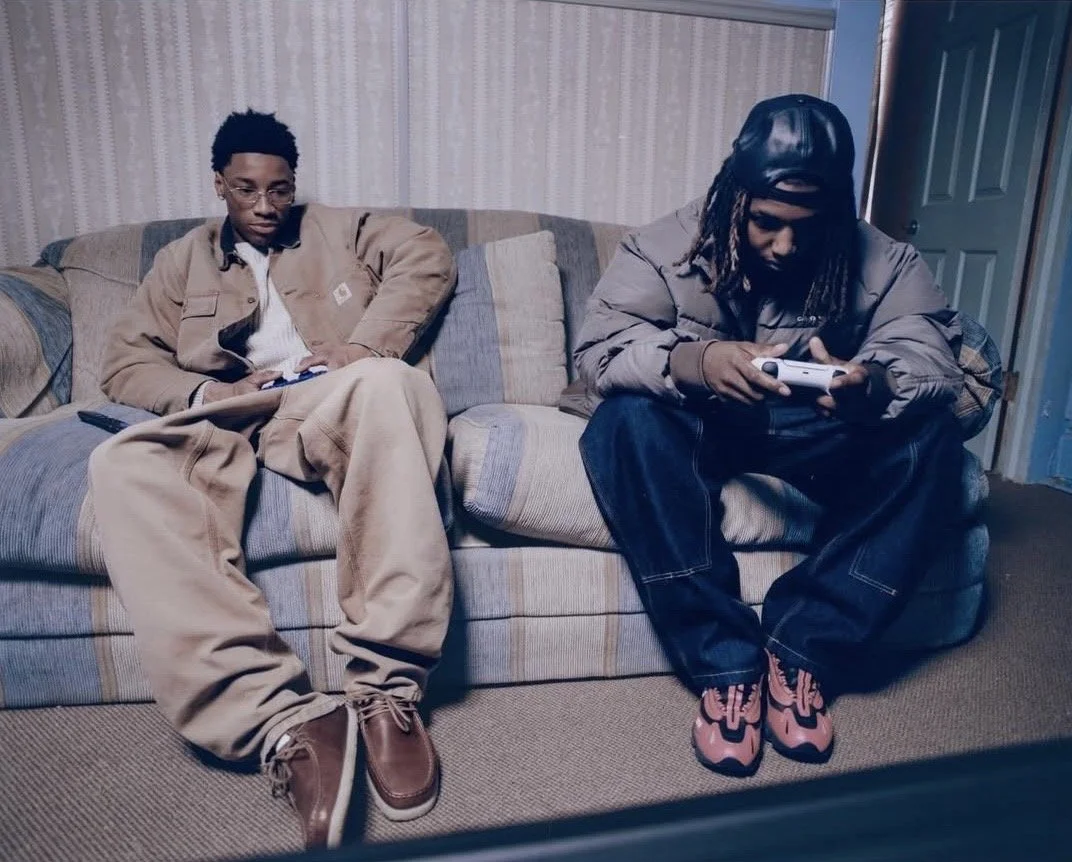
Q 7. Carhartt WIP 25AWのビジュアルは、日本でも街中に大きく掲出されており印象的でした。淡いブルーがかった繊細さと力強さ、そしてその場にいるような臨場感があり、これまでとは少し異なるアプローチに感じました。
今回の作品は、どのような姿勢や意識で制作されたのでしょうか?
- アトランタは、私にとってとても特別な街です。20年以上にわたる歴史があり、今回はそこで生まれ育った幼なじみが、再び街に迎え入れてくれるような形で側にいてくれました。
Carhartt は、私とクリエイティブパートナーのアイデアをとても尊重してくれて、街の“層”のなかにある暮らしの断片を、どう切り取るかについて大きな自由を与えてくれました。
見過ごされがちなニュアンスや複雑さ、そしてこの街ならではの魅力を、きちんと掬い上げることが重要だと感じていました。秋冬のキャンペーンでしたが、撮影したのは春でした。だからこそ、街の中にある涼やかな空気感やトーン、色味を意識して拾い上げる必要があると感じていました。
ストリップクラブのネオンや、リビングルームの壁紙、空の色。コンクリートには実際に雨が降った場面もあれば、意図的に濡らして質感を出した場面もあります。
いま、現地で撮影した映像のディレクターズカットを公開する準備をしていて、とてもワクワクしています。完成したら、ぜひ見てもらいたいですね。
Q 7 . The visuals for Carhartt WIP 25AW were widely displayed in the streets o f Japan and left a strong impression. The soft blue tones felt both delicate and powerful, carrying a strong sense o f presence that felt distinct from your previous work. What kind o f mindset or intention guided you while creating this project?
- Atlanta, has a unique place in my heart. I have history going back there over two decades, and I was accompanied by a childhood friend who born and raised there and allowed me be embraced once again.
Carhartt really gave me a lot of freedom along with my creative partners support, and ideas of how we wanted to capture a slice of life within layers of the city. I felt it was really important that we honored the nuance, the complexity and charm that can’ often go overlooked.
It was an autumn winter campaign that we did shoot in spring, so I felt that it was necessary to lean into the cooler, look and tones, and hues of our environments.
The Neon of the strip club and the wallpapers of the living room and the sky we wet down the concrete even though we did encounter some natural rain.
I’m actually getting ready to release the directors cut of the film that we made out there which I’m excited about. I’ll share it with you when it’s ready.
Q 8.フォトグラファー、ディレクター、コンサルタントとして活動する中で、すべてに共通している「基準」や「判断軸」はありますか?
-基本的には、どんな仕事にも「熱意」を持って向き合いたいと思っています。
とはいえ、時には疲れ切ってしまうこともあるし、心がすさんでしまうこともある。
クライアントとのやりとりに消耗したり、仕事とは関係のないところで打ちのめされたり、そういう経験も正直にあります。 過去の仕事の記憶と今の状況が、良くない形で重なってしまうこともある。
そんなとき、メンターのように慕っているミュージシャンの友人が言ってくれた言葉を思い出します。「今やっていることを、昔のやり方のまま扱っちゃいけない」と。その一言は今もずっと胸に残っています。
だからこそ、自分が発する言葉には気を配るようになったし、“耳は二つで口は一つ”というつもりで、人の話をよく聞こうと意識しています。
自分の悪い癖かもしれませんが、人が仕事の相談を持ってきてくれる時、「彼らは自分のことをよく分かったうえで頼んでくれている」と思い込んでしまうところがあります。
でも実際には、スタジオでの制作や個人的な実践のなかに、まだ見せていないレイヤーがたくさんありますし、 コマーシャルワークだけでは伝わらない部分も多いと感じています。
プロジェクトごとに、アプローチは大きく変わります。相手がミュージシャンであれば、特に自分が聴いていて、心から尊敬しているアーティストかどうかで、向き合い方はかなり変わります。
ブランドにも、それぞれ特有の重さがあります。たとえば Nike のようなブランドは、自分の子ども時代そのものと結びついているので、正直“元恋人”みたいに、なかなか断れない存在です。
スポーツを通じてナイキの子どもとして育ったので、彼らから声がかかると、どうしても「どれだけ高く飛べばいい?」という気持ちになってしまう。
一方で、かつて自分には手が届かなかったブランドが、大型店から離れて小さく良いブランドになろうとするタイミングで、そのビジュアルアイデンティティの再構築に関われたこともあります。それは、自分にとって大きな意味があり、キャリアの土台の一部になっています。
そして今は、「もう一度自分たちをつくり直したい」「新しい自分たちを見つけたい」という人たちが、声をかけてくれることも増えました。そういうプロジェクトでは、リサーチの段階から一緒に入っていくことができるので、とても楽しいです。
変化の余地があり、それが目に見えるかたちで存在している状況が好きなんです。自分のタッチで何が貢献できるのかが分かっているとき、その力をしっかり使いたいと思いますし、それに値すると感じられる相手に対しては、喜んで差し出したいと思っています。
Q 8. As a photographer, director, and consultant, is there a shared standard or set o f values that guides all o f your work?
- I try to approach everything with enthusiasm.
I struggle at times I’m jaded. I’ll admit I’ve had clients wear me down and I’ve been heartbroken before not even about the business not even about to edit but just in life and sometimes my past life in this career can pattern themselves after each other.
I had a mentor friend of mine brilliant musician. Tell me that I can’t treat what I’m doing like the old ways I know doing things and that’s stuck with me.
I try to mind what I say and “be a good listener with two years and one mouth.”
To my own fault, I may assume that when people come to me for what I do, they come to me for what they know me for, I’d say there’s a lot more layers of my work that I have partitioned or kept closer to the chest that you might find in my studio practice not conveyed in the commercial.
It’s Project by project case by case - if it’s musician, you know that will influence my approach quite a lot especially if it’s someone I listen to and truly admire and respect.
With certain brands have a massive identity that can influence, I am as shamefully like with Nike and X girlfriend that I can’t say no to.
I grew up with the brand and I was such a Nike kid through sports so when they call me and say John Poppy like how high regardless that I’ve had so many different experiences working with different territories categories yeah but then like I got to be part of Suzzi when they were stepping out of the big box stores and becoming a smaller better brand and that was a brand I grew up,
not being able to afford so to be included in helping reshape the visual identity meant a lot to me and really gave me a foundation for a large part of my career.
And then there’s the other people coming to me that want a rebuild and that are finding themselves and we’re in this research phase and I like research I like malleability I like when things have room to improve and they appear obvious and I like when I know what I can contribute my touch and I’m happy to give that to people that I feel deserve that.
Q 9. あなたにとって「リアル」とは何ですか?
- “リアル”という言葉は、今ほど問われている時代はないと思います。
結局のところ、何がリアルかは見る人それぞれの感覚に委ねられている。
多くの人が、画面越しのイメージに本物の感情で反応する以上、「何が本物か?」という問いには、簡単な正解がありません。
僕自身は、現実とファンタジーのあいだに身を置こうとしています。現実は、ときにとても痛みを伴うし、醜く見えることもあるから、夢を見ることを忘れないようにしたい。
だから、ときには現実より少しだけ“ましな世界”を作品の中に作る必要があると感じることもあるんです
Q 9. What does "real" mean t o you?
- I think real has been challenged more than ever now I think reels in the eye of the beholder.
A lot of people ingest things visually and have real reactions to them so it’s up for debate what is real these days?
I try to live between fantasy and reality and I have to remember to dream what’s real can be painful and ugly so sometimes you wanna create something that feels better than reality.
Q 10. 「売れる表現」と「残る表現」。
消費されるものと、時間を超えて残るもの。そのあいだにある距離を、あなたはどのように捉えていますか?
-人類学的な視点に立った作品、編集、ジャーナリズムとしての写真、そして商業写真。そのあいだには、かなりはっきりした違いがあると思います。
私は、その境界線の上をずっと歩いているような存在かもしれません。生計を立てるために“売れる表現”を作る一方で、自分のキャリアとは切り離された場所に置いておきたい仕事もある。
その両方の線を、いつも行き来している感覚です。
Q 10."Sellable expression" and "lasting expression."Between things that are consumed and things that endure over time how d o you perceive the distance between the two?
- Yeah, I think there’s quite a difference between anthropology, editorial, and commercial.
I’m in this line that we straddle of making things sellable and having a career and having work that feels separate from the career.
Q 11. 「写真を撮ること」が純粋な衝動だった頃と、商業的な撮影を担うようになってからで、ご自身のスタイルや写真への向き合い方に変化はありましたか?
その上で、「記録すること」と「商品化する」ことのバランスをどのように考えていますか?
-最初の頃は、完全にそうでした。クライアントにとって、自分は彼らのイメージをそのまま形にするコピー機のような存在だった。少なくとも、私にとってのスタートはそういうものでした。
そこから少しずつ、自分のスタイルや指紋のようなものが作品に刻まれるようになってくると、今度は、人々が「あなた自身」や「あなたの目線」を求めて近づいてくるようになります。
ときには、クライアントが持っているイメージと、自分のイメージが混ざり合うこともあります。 つまり、どれだけ自分のエゴや視点を後ろに下げて、相手の立場に立ち、協働できるかが問われる。
そうしたコマーシャルな側面は、純粋な自己表現というよりも「サービス」に近いものになります。 それでも、どんな仕事にも学びはありますし、仕事を通じて自分の実践について学び続けることができると信じています。
ビジネスとしての資本主義的な側面は、たいていの場合、私のやり方とは重なりません。その結果、パーソナルワークに向き合う喜びが削られてしまった時期もあります。作品づくりが、“ただの仕事”のように感じ始めてしまったんです。
それはひどい話に聞こえるかもしれませんが、それでも私はこの仕事に、とても感謝しています。 これまでやってこられたことに心から感謝しているし、もし明日すべて終わって、誰からも連絡が来なくなったとしても、それでも満足だと思う。
なぜなら、始めた頃の自分には、今のようなところまで行けるなんて発想すらなかったからです。
Q 11. From the time when taking photos was a pure impulse t o when you started working commercially did your style or approach to photography change?
How do you think about the balance between "documenting" and "commodifying" photography?
- Yeah, I mean you start and in the beginning. Sometimes you’re like a copy machine for clients and you’re kind of making their image, at least that was the experience for me
and then as you develop your own style or fingerprint upon your work, you really get people approaching you for you and what you do and sometimes it’s a mix between the two where they want your version of their image so it’s kind of about how much you can endure to put your ego or point of view in the backseat and contribute and collaborate and meet people where they’re at so a commercial side of commodities becomes more a service than expression, but I do believe there’s still good lessons to be taken away from any job and things that you can learn about your own practice through these jobs.
I’d say no typically the capitalist side of the business doesn’t pattern after my way, it has taken the enjoyment out of making more personal work because it has began to feel too much like a job. And that sounds terrible the same as it’s an amazing job.
I’m so grateful and thankful to be able to do what I’ve done and if it ended tomorrow, I’d be content if no one ever called my phone again because I four overlapped any ideas of how far I could take this thing when I started.
Q 12. 日本には「温故知新」という言葉がありますが、「かっこよさ」は人によって定義が異なり、時代とともに変わるものだと思います。あなたが考える“変わらないかっこよさ”とは何でしょうか?
- 過去の作品については、どちらの気持ちもあります。見返して嫌になることもあれば、時間を置いてもう一度向き合うことで、新しい視点を加えられることもある。そこにこれまで得た学びを重ねると、また違う興味が湧いてきます。
テイストは、スタイルを形づくるものだと思います。スタイルは、生まれ持ったものでもあり、磨いて育てていくものでもある。その両方の要素があるのです。
その点、自分は恵まれていると感じています。 自分の作品には、常に一定の“惹きつける力”が流れていて、それは簡単には失われないと思っている。
ただ、同時に「出しすぎない」「飽和させない」ことも重要だと感じています。自分という存在が、いつも少しだけ“足りない”くらいの距離感でありたいんです。
Q 12. In Japan, there is a phrase called Onko-chishin (learning from the past and transforming i t into something new.) While the definition o f "cool" differs from person t o person and changes over time what do you consider to be a form o f "coolness" that never changes.
-I could go either way I look at things I’ve done in the past and I can hate them or I can revisit them and make them new again and apply things. I’ve learned to old work and it becomes interesting to me again.
Taste, permits style, style is something that you’re born with and maybe can be developed but some people just have natural style and I think that was something I was blessed with there’s a level of attraction to my work that is consistent and I don’t think it’s something that I’ll lose, but I do think it’s important that I stay scarce.
Q 13. 一概に数字だけで測れるものではありませんが、現在約7万人のフォロワーを抱えています。
世界中の人たちががあなたから影響を受けていると思いますが、ご自身の影響力についてどうのように考えていますか?
- フォロワーの数字そのものは、どこか“つくられたもの”のように感じています。それでも、自分の作品が誰かに影響を与えているということ自体には、大きな意味があると思っています。
作品を通じて何か正直な感情を受け取った人と、直接話ができること。それは私にとって、本当に大切なことです。
ソーシャルメディアは、一種の幻想のようなもので、 結果的にキャリアの継続を助けてくれた面もあるとは思いますが、若い頃の私は、その数字のおかげで「自分は実際よりも重要な人間なんだ」と勘違いしていた部分もあったかもしれません。
一方で、まったく自己肯定感が持てない日もある。だから、フォロワー数のようなものから、自分の価値を引き出そうとは思いません。そこに囚われすぎるのは、自分にとってマイナスでしかないと感じています。
つまり本当の影響力は、最終的には「どう生きるか」という在り方から生まれるものだと信じています。
Q 13. Although numbers alone cannot measure everything, you currently have around 70,000 followers.
Many people around the world are influenced b y your work. How d o you personally feel about that influence and is there anything you consciously keep i n mind because o f it?
- I feel the follower thing is a bit fake however, I will see my work as influence. It does mean a lot to me when I can have a conversation with anyone that has taken away and honest feeling from my work.
The whole social media thing is a bit of an illusion. I can’t say it’s probably helped me sustain a career and maybe when I was younger it might’ve made me think that I was more important than I was and some days you just lack self-worth altogether, and I wouldn’t draw any from a thing like follower numbers.
I think it can do you a disservice to ever get wrapped up in that I think real influence happens through the way you live.
Q 14. 写真や映像を通して、後世に何を残したいですか?また、それらを通してどんなメッセージを伝えたいですか?
-本をたくさん残したいし、映画もたくさんつくりたい。自分がいなくなった後に、誰かが偶然手に取り、そこで何かを感じ取ってくれるものを残したい。
真実や希望、記憶。ひとりの人間の人生を覗き込む、小さな窓のような作品をつくれたらと思っています。
Q 14. Through photography and film, what do you hope t o leave behind for future generations and what message d o you wish to convey through your work?
- Many books many films things I hope people find and connect with after I’m gone the truth hope memories a window into a life.
Q 15. 今後の目標や、野望があれば教えてください。
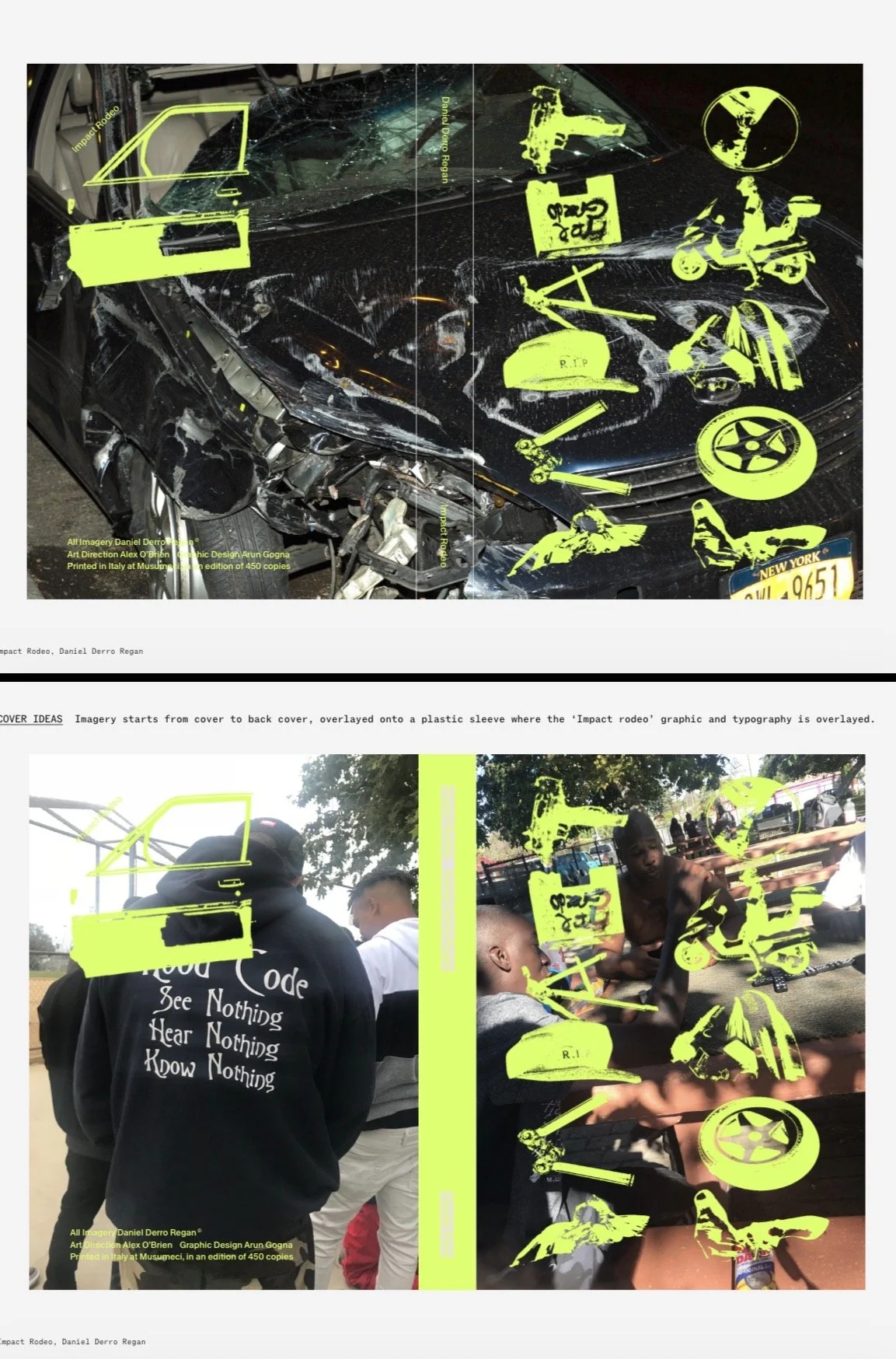
- 長編の映画をつくること。そして、個人的な作品、特にプリントされたものとしての出版を続けることが目標です。
僕は、地図やガイド、プレイリストのような“実用的だけれど人の手ざわりがあるもの”が好きで、それらを共有したり、一箇所に集約したりすることにも興味があります。
Q 15. What are your future goals o r ambitions?
- I want to make a full length movie and continue to publish personal work; printed matter. I like practical things, maps guides, music playlist, sharing and centralized information.
最後に、未来を担う若者たちへのメッセージをお願いします。
- 若い人たちへのメッセージは、長い時間をかけて犯した過ちに執着しないことです。
誰かを温めるために、自分を燃やし尽くさないでください。
地獄の門は、多くの場合、自分の内側から鍵がかけられています。
自分が本当に必要とするものを、見失ってはいけない。
意味が見えにくい時代だからこそ、私たちは形式ばかりに気を取られてしまう。
まだうまく言葉にはできないけれど、伝えたいことは本当にたくさんあります。
Please give a message to the young people who will be responsible for the future.
- My message for young people is don’t cling to a mistake because you took a long time making it.
Don’t light yourself on fire to keep some one else warm.
The Gates of Hell are often locked from inside.
You can’t forge your needs.
In a time without meaning we focus on form.
I don’t know I have a lot to say.